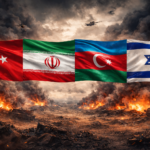


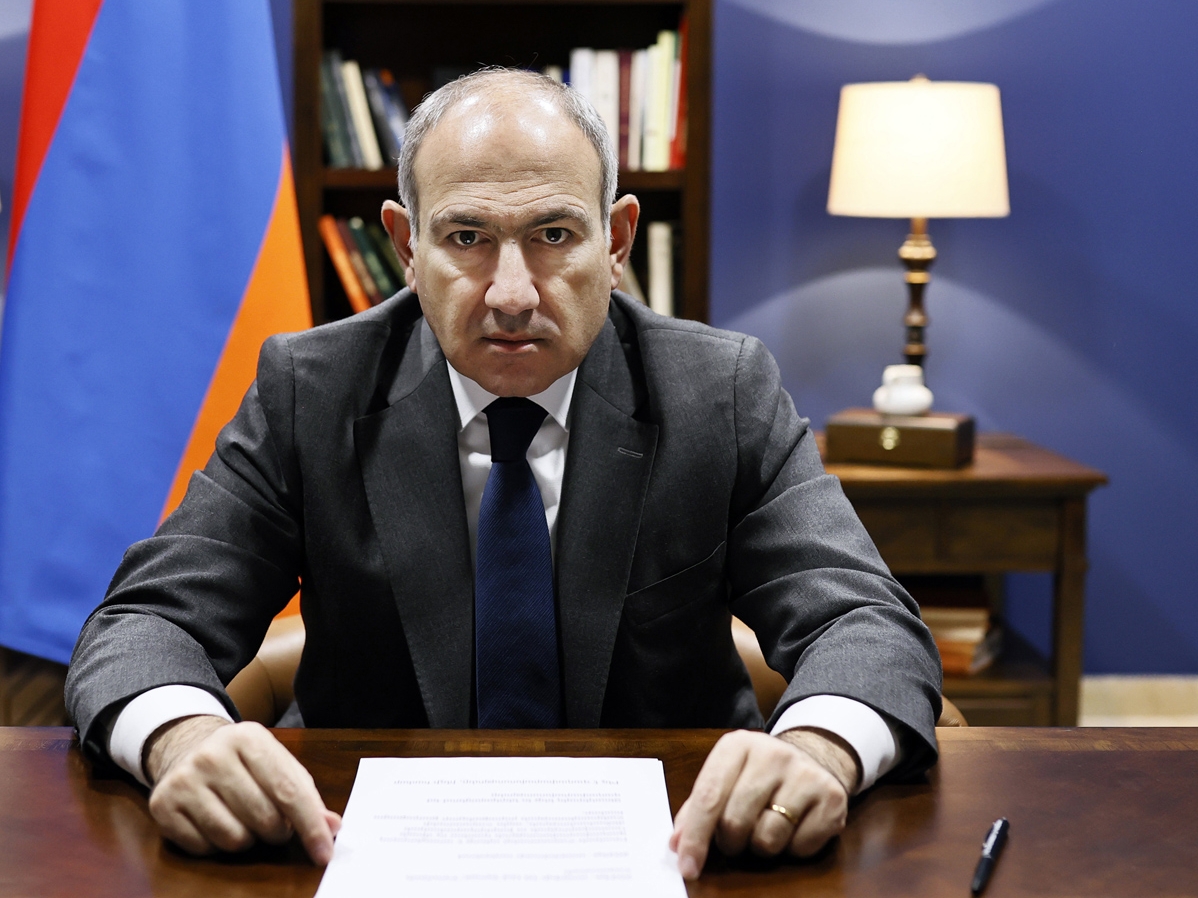
Armenia is entering its pre-election period amid rising political mobilization and a high degree of internal polarization. With parliamentary elections scheduled for June 7, time is limited, and both the ruling Civil Contract party and opposition forces have effectively shifted into full campaign mode. The overall level of tension is already spilling beyond rhetoric, manifesting in everyday incidents, including episodes of direct aggression toward government representatives.
At the same time, any attempt to predict the outcome of the vote in advance remains methodologically uncertain. However, scenario-based analysis allows for the identification of key risks associated with a potential victory of revanchist forces linked to figures such as Robert Kocharyan and Samvel Karapetyan. Their campaign rhetoric centers on the need to revise foreign policy, restore relations with Russia, and, critically, reassess the current framework of the peace process with Azerbaijan. At the core of this narrative are accusations against the current leadership of “betrayal” and alleged unilateral concessions.
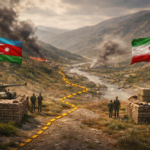
In this context, it is essential to distinguish between political rhetoric and the objective constraints of the post-conflict reality. As it stands, the Karabakh issue is both de facto and de jure resolved: Azerbaijan has restored sovereignty over its entire internationally recognized territory, the former de facto structures have been dismantled, and the Russian peacekeeping presence has ended. Under these conditions, references to previously discussed settlement frameworks—whether the Kazan document or other initiatives—lack practical relevance and reflect political-psychological inertia rather than a viable strategy.
The central problem of a potential revanchist scenario lies in the trap created by prior statements. Should such forces come to power, they would be institutionally bound by their own campaign narratives, which render the signing of agreements associated with the current government politically toxic. This creates a structural risk of blocking the peace process, as any attempt to revise already agreed parameters would inevitably be perceived as a withdrawal from existing commitments.
From Azerbaijan’s perspective, the negotiation framework is intergovernmental rather than personalized. Agreements that have been signed or initialed are viewed as obligations of Armenia as a state, regardless of changes in political leadership. Accordingly, any attempt to revise them would not be seen as a “negotiating adjustment” but as a disruption of the process, thereby limiting the room for maneuver for any incoming leadership in Yerevan.
An additional dimension is the asymmetry in the level of interest in concluding a peace agreement. For Armenia, signing such an agreement is a critical factor for stabilization and for exiting a prolonged crisis. Azerbaijan, by contrast, has demonstrated the capacity for sustained development even during periods of conflict, having implemented major energy and infrastructure projects and built a significant military capability that ultimately altered the status quo. This objectively reduces the urgency for Baku and strengthens its negotiating position.
Any attempts at escalation or a return to military scenarios under current international conditions would carry significantly higher costs for Armenia than in previous decades. The evolving geopolitical environment and the clearer recognition of internationally accepted borders constrain the space for impunity and increase the likelihood of a swift and firm response.
Thus, the upcoming elections in Armenia extend beyond a domestic political process and take on strategic importance for regional stability. Their outcome will largely determine whether the current post-conflict balance is consolidated through the institutionalization of a peace agreement or whether the region faces a new phase of uncertainty driven by attempts to revise the realities that have already taken shape.