
Azerbaijan Between the Turkic World and the South Caucasus
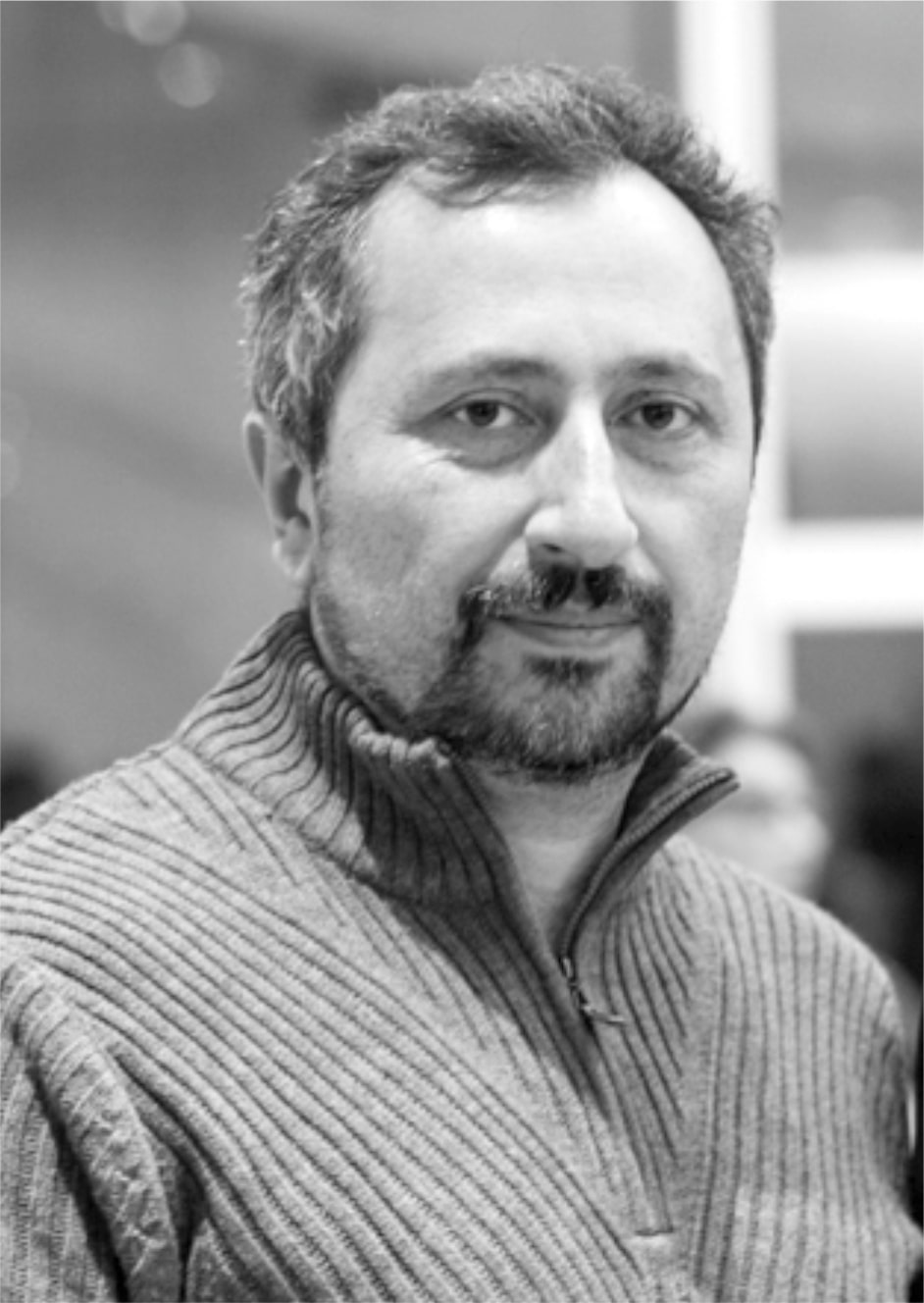
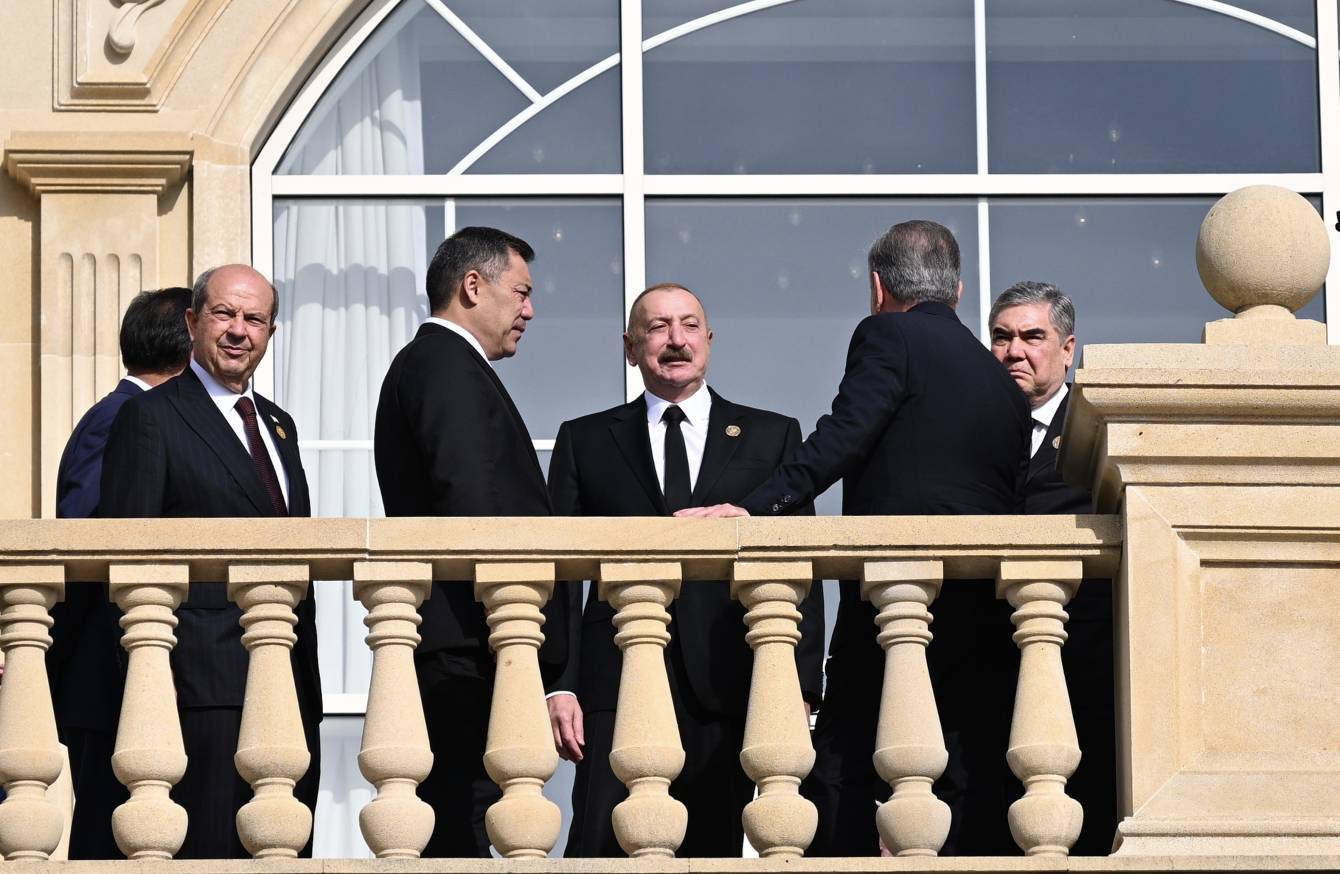
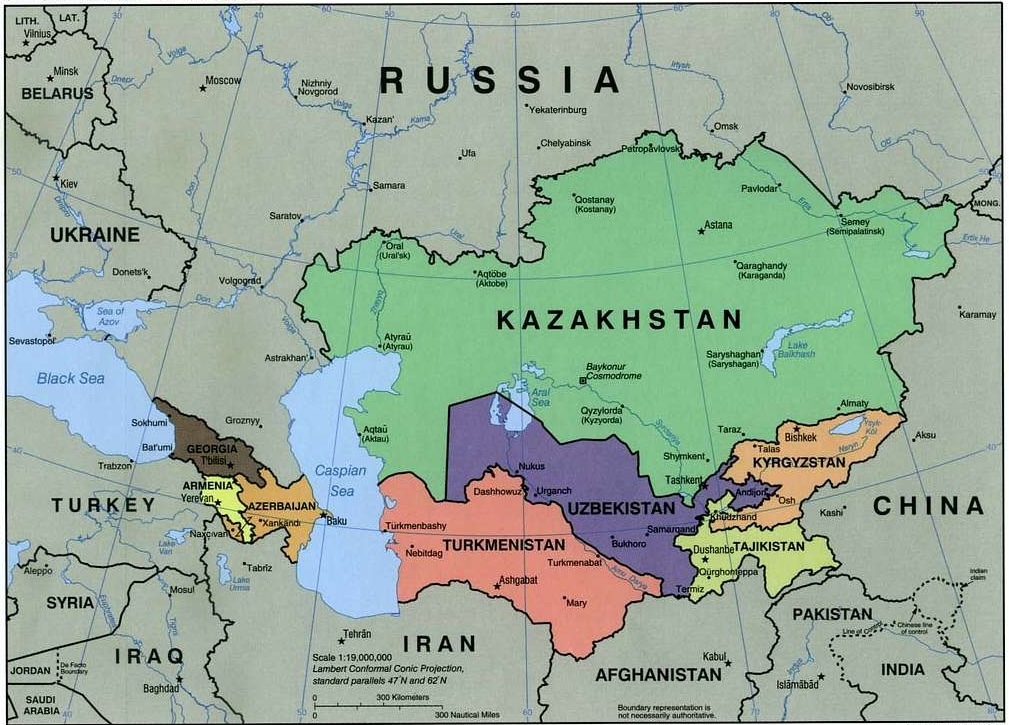
The growing institutionalization of the Organization of Turkic States is giving Azerbaijan a role that extends beyond cultural and political solidarity. Energy, transport, security and investment are increasingly connecting Central Asia, the Caspian and Türkiye, while normalization in the South Caucasus could add another dimension to this emerging architecture. For Baku, the strategic opportunity lies in linking these two regional spaces rather than choosing between them.


The Middle Corridor and the China Factor: How to Avoid Replacing One Dependency with Another
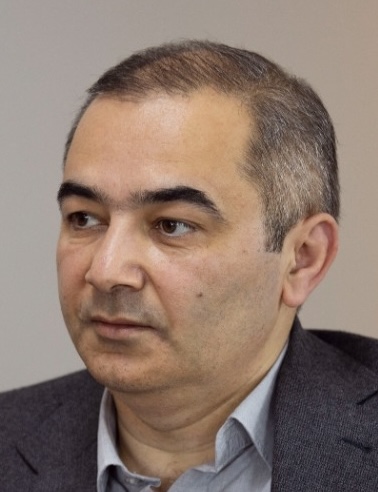
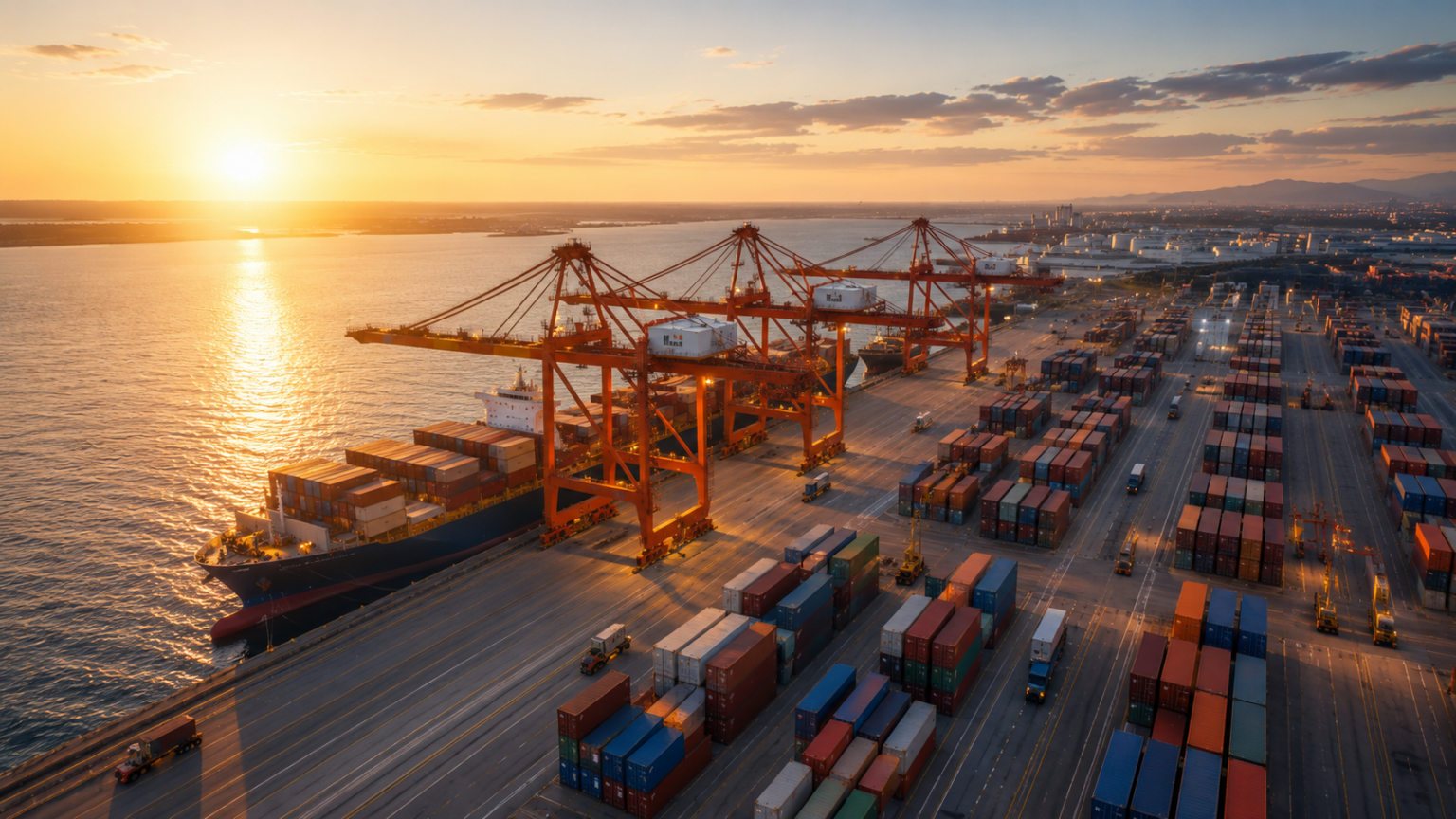
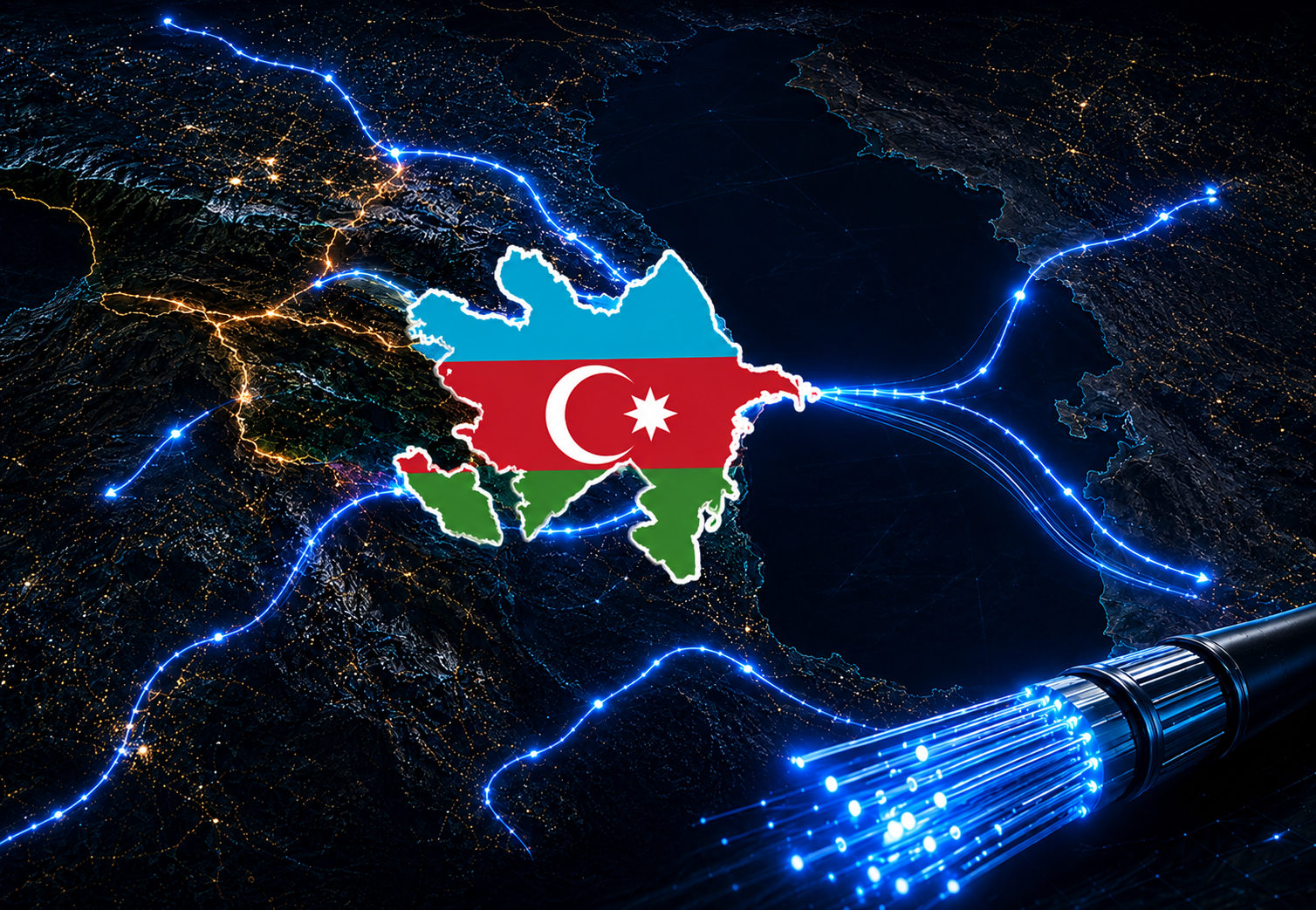
Azerbaijan must ensure that the Middle Corridor does not trade dependence on Russia or Iran for excessive reliance on China. This analysis examines Chinese infrastructure financing, Anaklia and Alat, Western investment, digital and operational risks, and the need for diversified partners, state control, competitive tenders, and strategic autonomy for Azerbaijan.





Moscow Must Accept the New Reality of the South Caucasus
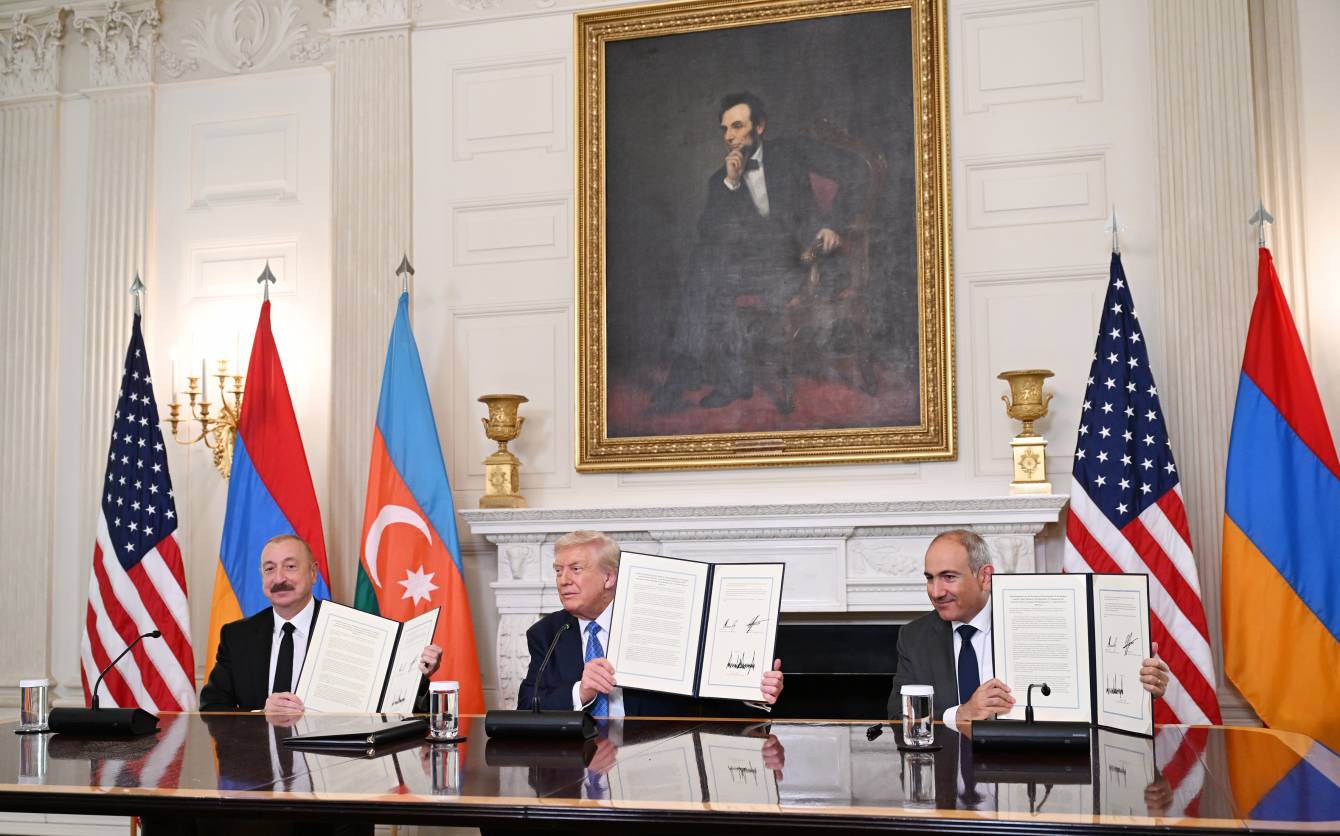
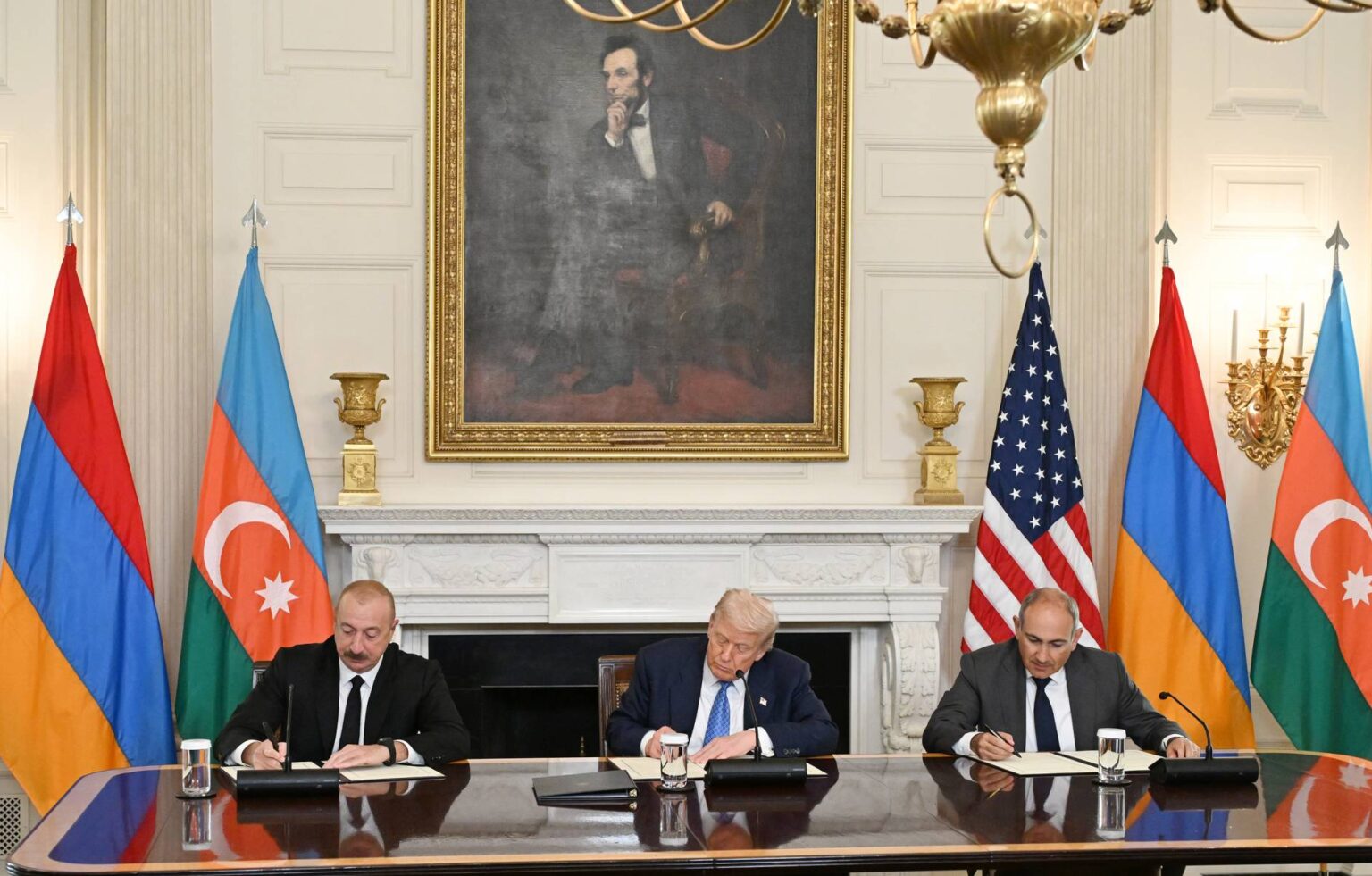
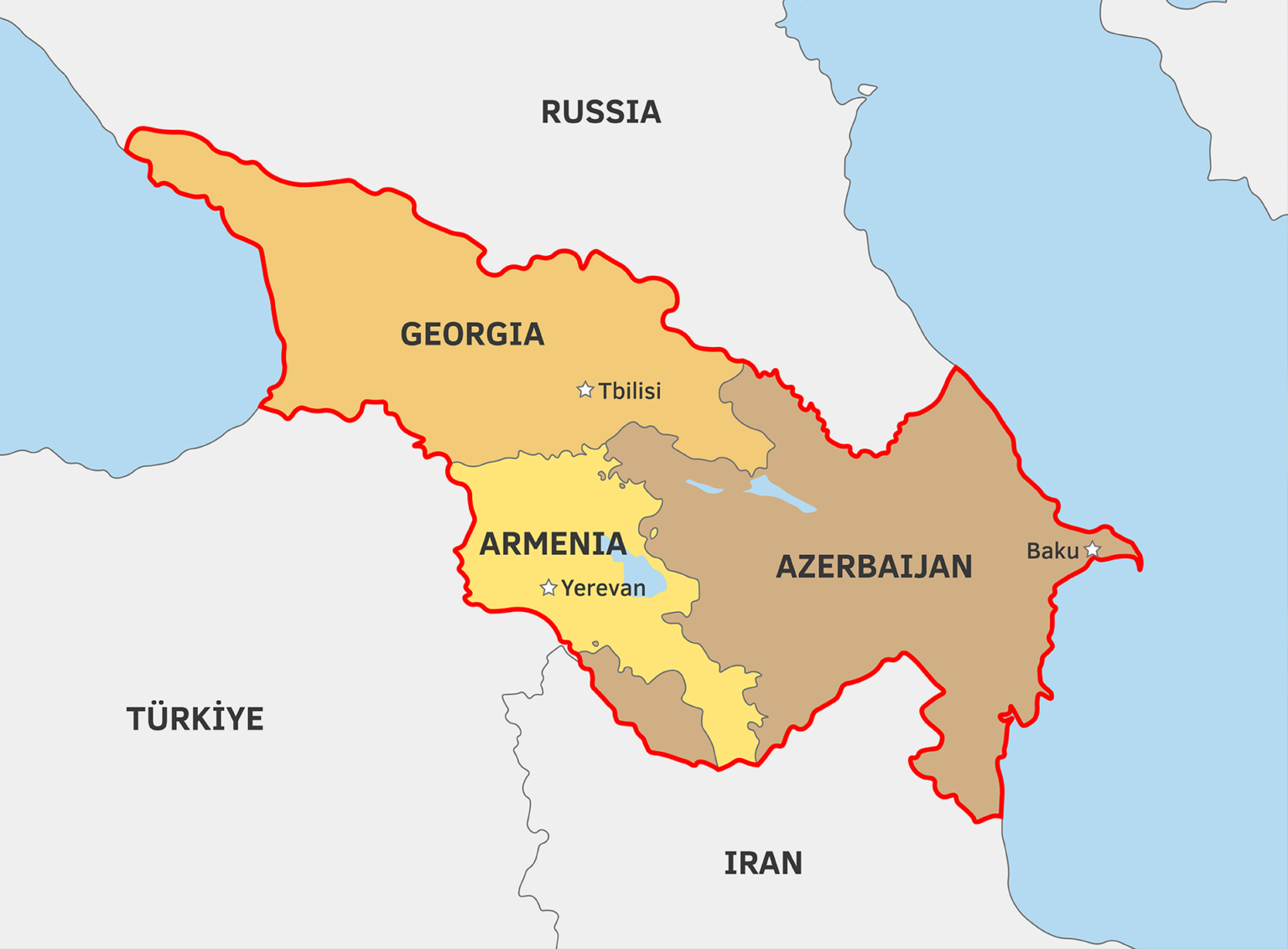
Relations between Azerbaijan and Russia can only stabilise if Moscow abandons outdated notions of regional hierarchy. Baku’s recent diplomatic gestures signal readiness for pragmatic engagement, but not subordination. Sustainable normalisation requires mutual respect, accountability, and recognition that the South Caucasus is now a region of sovereign, independently acting states today.





Azerbaijan’s Peacekeeping Role in a Changing Security Order
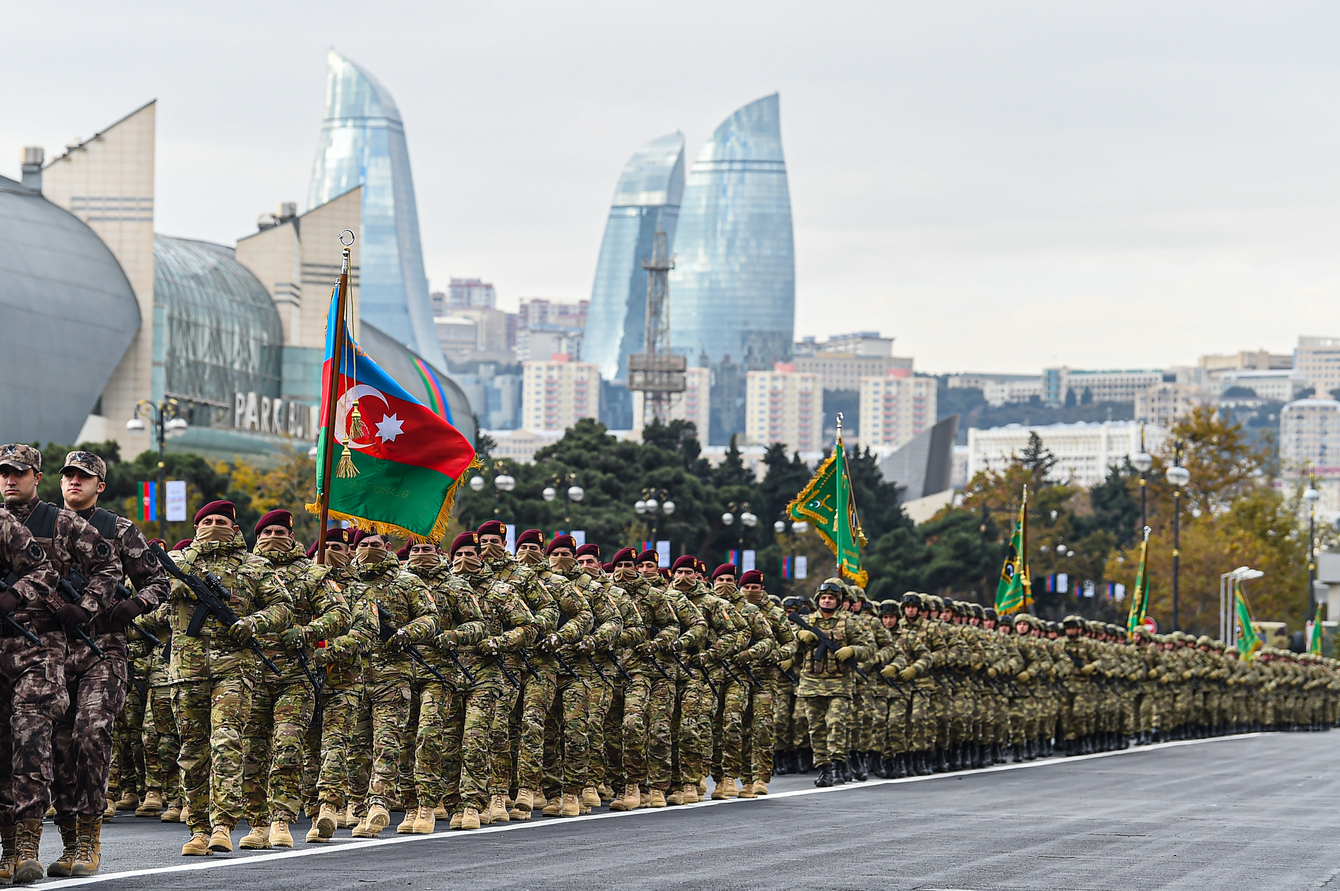
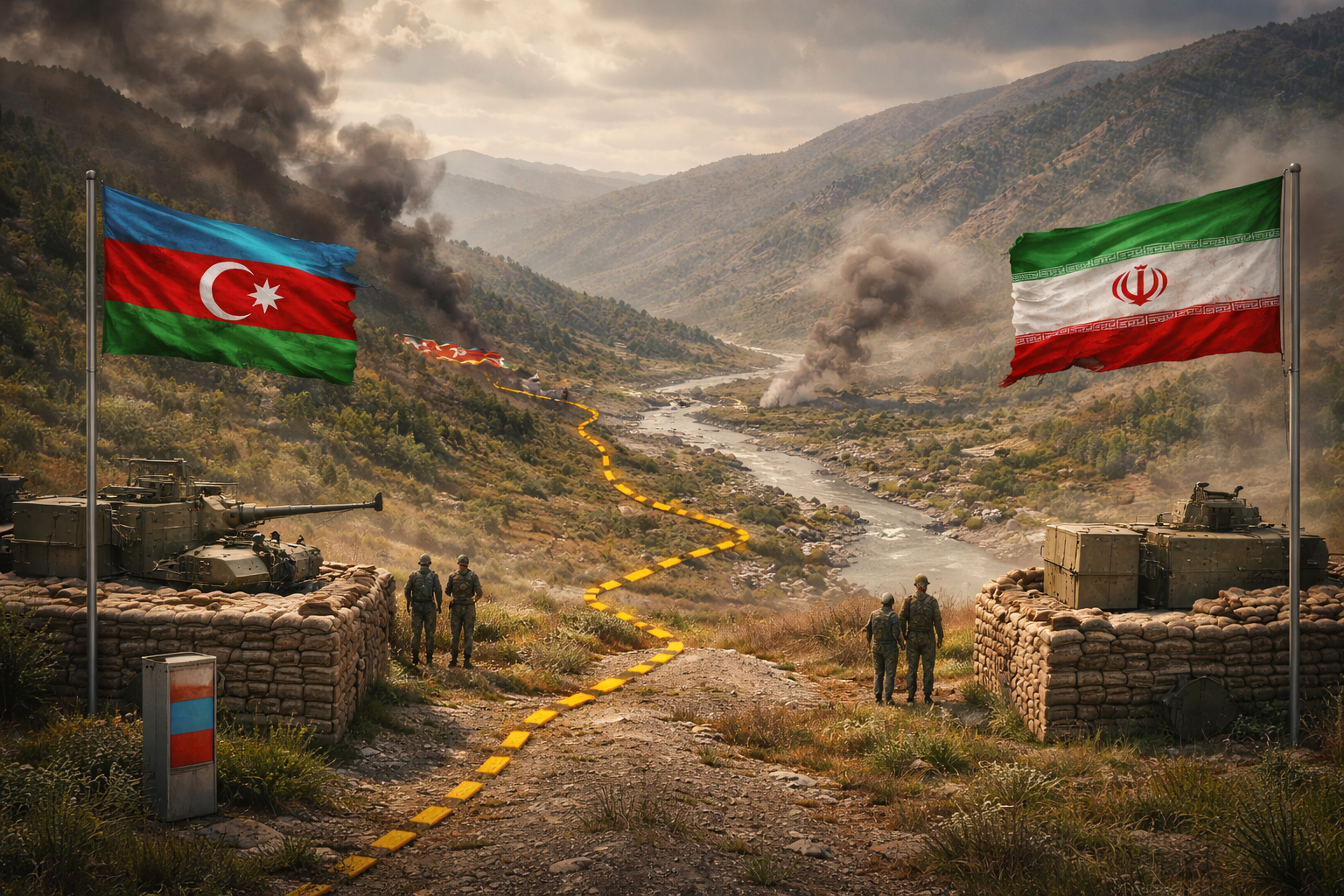
Azerbaijan’s peacekeeping policy reflects continuity rather than realignment. Drawing on experience in Kosovo, Iraq, Afghanistan and UN missions, Baku is assessing future roles through a pragmatic lens: national interest, operational safety, strategic autonomy and cooperation with international institutions without compromising sovereign decision-making or regional balance in a shifting security order.