

Azerbaijan intends to expand its participation in international peacekeeping activities, building on the experience it has accumulated over the past decades. Defence Minister Zakir Hasanov’s remarks that Baku is exploring the possibility of participating in new UN- and NATO-led operations should not be interpreted as a foreign policy shift. Rather, they fit into Azerbaijan’s long-standing pattern of cooperation with international security institutions and its accumulated peacekeeping experience since 1999.
Azerbaijan already has a solid reputation as a responsible contributor to peacekeeping missions. Azerbaijani servicemen previously took part in operations in Kosovo, Iraq and Afghanistan. Although those missions have ended, the country’s involvement in the international peacekeeping architecture continues: Azerbaijani officers are currently serving in the UN mission in Sudan, with representatives of the Ministry of Defence deployed there on a regular basis.
The interest of international organizations in Azerbaijan’s participation is explained by several factors: the professional training of its personnel, experience in complex security environments and Baku’s predictable approach to international security. At the same time, Azerbaijan does not treat peacekeeping as a field of automatic commitments. Every possible deployment is assessed through the lens of national interest, political necessity and the safety of Azerbaijani servicemen.
Numerous flashpoints remain around the world, and against this backdrop Baku continues to receive proposals to send peacekeeping contingents to different regions. Azerbaijan has also been invited to consider participation in peacekeeping activities in the zone of the Israeli-Lebanese conflict. However, Baku’s position on such matters remains principled: participation can only be considered after the active phase of hostilities has ended and only if reliable security guarantees are provided for Azerbaijani personnel.
This approach reflects a cautious and pragmatic model of decision-making. Azerbaijan is not interested in operations where the risk of casualties among its servicemen remains high. To date, Azerbaijan’s peacekeeping contingent has not suffered combat losses; the only recorded death among its personnel was linked to illness rather than military action. This record also shapes Baku’s attitude toward future missions: protecting the lives of servicemen remains a central condition.
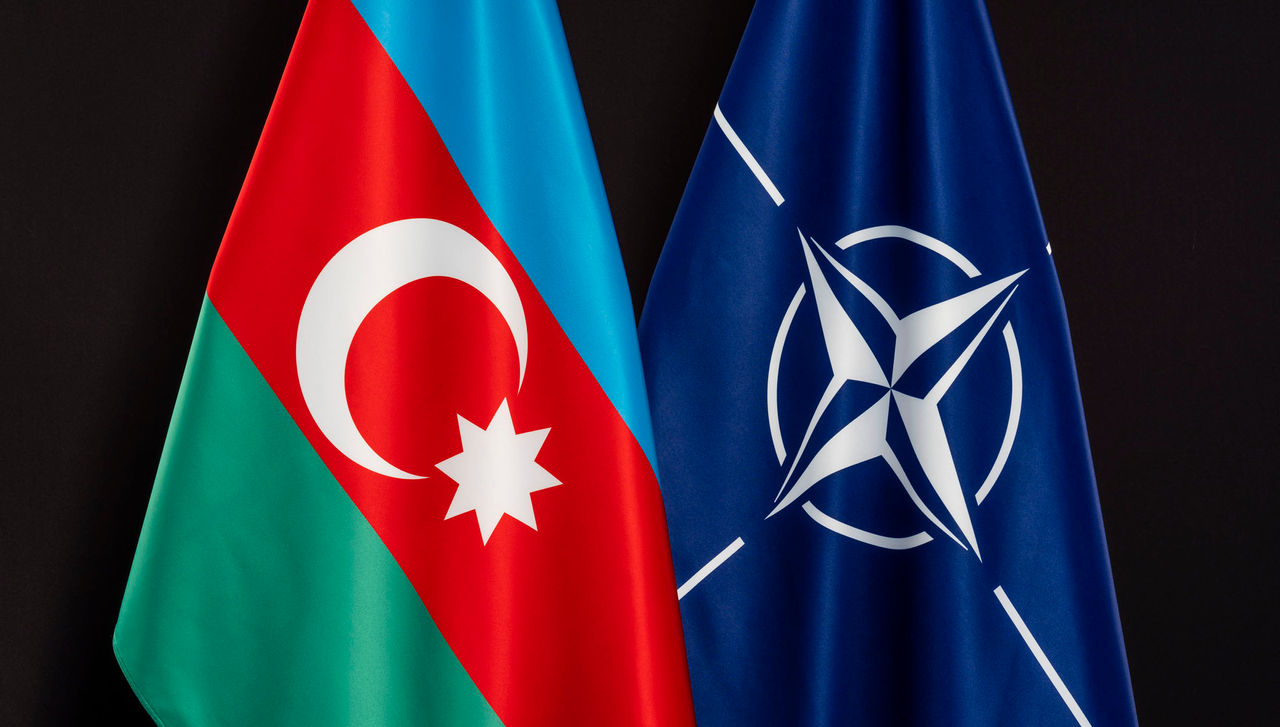
Azerbaijan’s cooperation with NATO also deserves particular attention. It is not episodic, but systematic, and has developed over many years, primarily within the framework of the Partnership for Peace program. Azerbaijani servicemen participate annually in more than 200 NATO-related activities, including both theoretical and practical training. In some cases, Azerbaijani representatives act not only as participants but also as moderators of specific programs.
However, partnership with NATO does not mean that Baku is prepared to join any operation promoted by the alliance. Azerbaijan retains full freedom of choice and makes decisions based on its own assessment of each situation. This logic is fully consistent with the position of a sovereign state that cooperates with international organizations without allowing them to define its security policy.
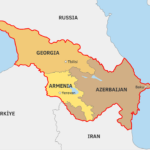
Possible negative reactions from Moscow or Tehran to the further development of Azerbaijan-NATO cooperation cannot become a decisive factor for Baku. This cooperation has existed for many years and does not represent a new political signal. In the past, Azerbaijan provided NATO with access to its military airfields for aircraft maintenance and cargo transit, and this did not lead to a serious crisis in relations with either Russia or Iran.
Any dissatisfaction from neighboring states should have objective grounds. Azerbaijan’s cooperation with the UN, NATO or other international structures is part of its sovereign foreign and defence policy. At the same time, Baku itself often has questions about certain actions taken by neighboring states, yet it treats them as decisions made within the framework of their own national interests. Azerbaijan has the right to expect the same approach from Moscow and Tehran.
The upcoming NATO summit in Türkiye is also important for the alliance’s partner countries. Its decisions will concern not only the security of member states, but also the broader partnership architecture. Azerbaijan already occupies a visible place in this system: it has a permanent mission at NATO headquarters, maintains regular contacts with the alliance’s special representative for the South Caucasus and continues to participate actively in joint programs. At the same time, Baku has not declared any intention to seek membership in the North Atlantic Alliance.
The modern international security system is going through a deep crisis. Existing mechanisms of international law do not always function effectively, while regional conflicts increasingly require states to demonstrate flexibility, autonomy and readiness for new formats of cooperation. Under these conditions, Azerbaijan is shaping its security policy primarily on the basis of national interests, the strengthening of its defence capabilities and the need to preserve room for independent decision-making.