

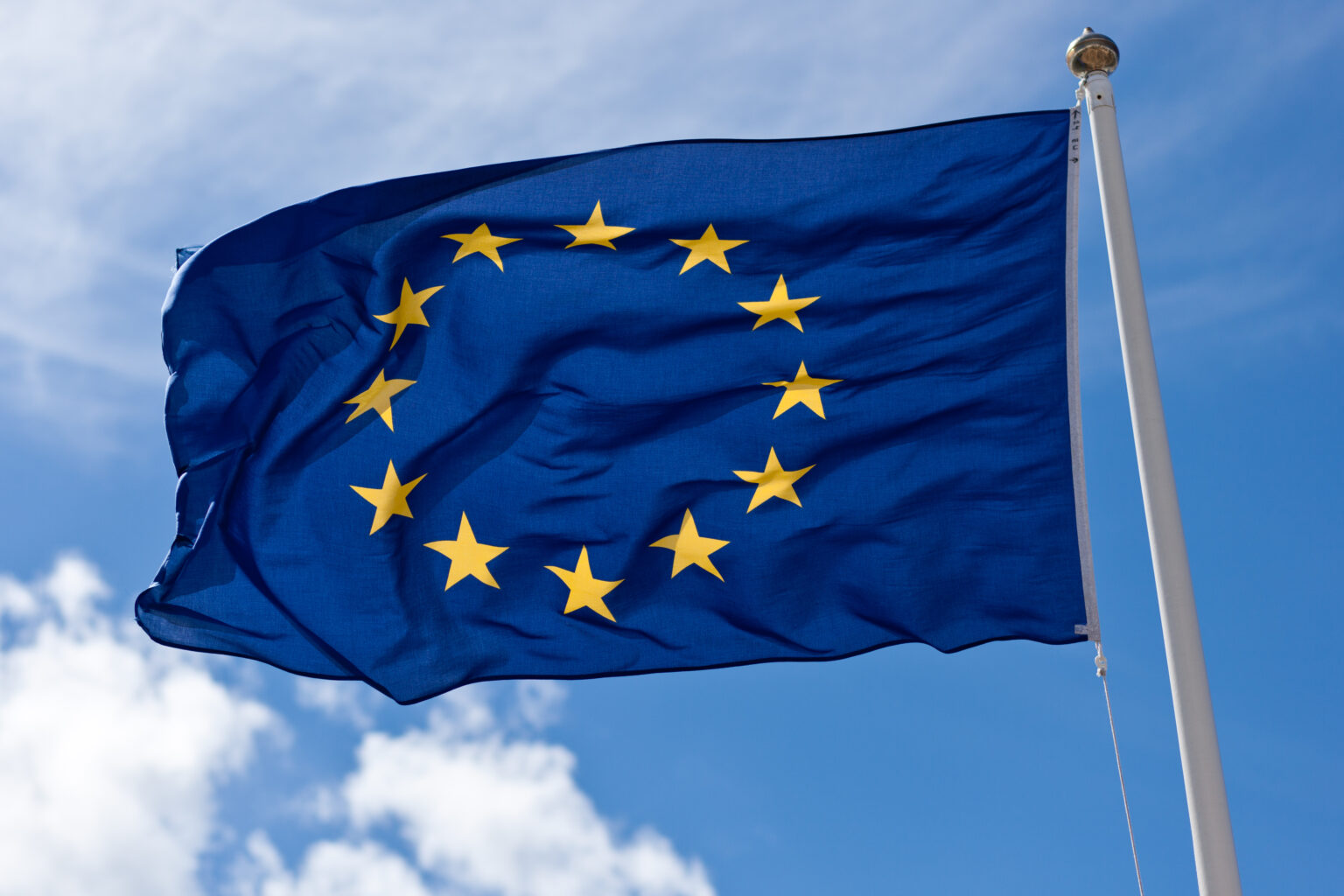
The failure to adopt the twentieth package of sanctions against Russia has become not just another episode of intra-EU disagreement, but a symptom of a deeper transformation in the political dynamics within the European Union. While Hungary and Slovakia were previously seen in Brussels as the main “troublemakers,” the current situation has shown that the range of states willing to challenge the sanctions strategy and the foreign-policy line of the center has significantly expanded. This reflects less the growth of Euroscepticism as an ideology and more the pragmatic recalibration of national interests amid energy pressure, economic costs, and a shifting global security architecture.
The collapse of the package resulted from a combination of several factors. Hungary blocked key decisions, linking them to the restoration of oil supplies via the Druzhba pipeline and to its own energy security concerns. This move was accompanied by harsh rhetoric from Budapest, where Brussels’ sanctions policy was portrayed as a threat to the European economy. At the same time, Slovakia increased pressure by signaling the possible suspension of emergency electricity supplies to Ukraine. Energy infrastructure once again became a tool of political bargaining within the EU, highlighting the growing fragmentation of the common course.
A defining feature of the current crisis is that resistance to sanctions is no longer limited to Eastern European governments. Italy, Greece, Malta, and Spain voiced doubts about certain provisions of the package, particularly those related to maritime oil transportation and restrictions on financial services. One of the most contentious proposals involved declaring operations through Georgia’s Kulevi port — used for exporting Azerbaijani oil — effectively illegal. As a result, a sanctions logic formally directed against Russia collided with the interests of countries focused on diversifying energy flows and maintaining stable supplies from the South Caucasus. A paradox emerged: efforts to increase pressure on Moscow risked affecting infrastructure linked to EU partners such as Georgia and Azerbaijan, thereby undermining trust in European policy in the region.
Intra-EU disputes over the sanctions package also revealed another trend — the transformation of sanctions policy into a complex mechanism of negotiations and mutual concessions. The characterization of sanctions as a “market,” where states bargain for their own interests, reflects the gradual erosion of the EU’s former image as a monolithic actor. The economic consequences of the sanctions strategy, widely regarded by many European policymakers as significant, are strengthening the tendency of individual countries to adjust course based on national priorities rather than a collective ideological framework.
Competition for leadership within the EU has become another important driver of division. Germany and France are demonstrating different approaches to the future of European security and relations with the United States. Berlin seeks to restore transatlantic dialogue and reduce tensions, while Paris promotes the idea of strategic autonomy and the formation of an independent European defense identity. This rivalry has intensified against the backdrop of changes in American policy, as European allies increasingly face the need to assume a greater share of responsibility for their own security. The disagreements between Berlin and Paris reflect a broader crisis of strategic vision: Europe has yet to decide whether it aims for autonomy or a renewed partnership with Washington.
Additional tension arises from attempts by individual leaders to seize diplomatic initiative on the Ukrainian issue. Periodic calls for negotiations with Russia have sparked debate within the EU over who has the authority to speak on behalf of Europe as a whole. This has reinforced the sense of a political “dance floor,” where each initiative from one center of power quickly collides with a competing strategy from another. Instead of consolidation, a growing cacophony is emerging, reflecting a structural crisis of European leadership.
The failure of the twentieth sanctions package is only the most visible manifestation of this broader trend. The EU managed to extend existing restrictions and introduce a limited set of personal sanctions, but it failed to demonstrate the political resolve expected by supporters of tougher measures. The signal sent was clear: the internal cohesion of European policy is gradually giving way to the pragmatic calculations of member states. In the long term, this may lead to a shift from rigid sanctions consolidation toward a more flexible model, in which each new decision requires a delicate balance of energy, economic, and geopolitical interests.
Thus, the current sanctions crisis reflects not merely a temporary malfunction of European institutions, but the beginning of a new phase in which the EU must adapt to a changing reality. The growing number of countries willing to challenge Brussels’ decisions indicates a transformation of the Union from a project of political unity into a space of negotiation among states with differing strategic priorities. As Europe seeks to balance ideology and pragmatism, its foreign policy increasingly mirrors its internal contradictions rather than a single unified line on the global stage.